
Why pet flying rules matter in Hong Kong
Most pets leave HK by air—whether for a new life overseas or visiting family. Airlines have strict limits, so picking the right method keeps your cat or dog safe and calm.
The three main ways to fly them
In-cabin works for tiny pets (usually under 7–8kg including crate), checked baggage (excess) for medium sizes up to around 32kg total, and full cargo for bigger dogs or when the pet travels separately. Many Hong Kong owners refer to any of these as 寵物托運, especially when booking through airlines or specialists, because it covers the crate, paperwork, and airport handoff without surprises.
In-cabin details
● Crate fits under seat (max ~40×30×25cm).
● Soft-sided often allowed.
● Pet stays with you—least stress.
● Limited spots per flight—book early.
Checked baggage (excess)
● Pet in hold but on your flight.
● Crate weight limit ~32kg total.
● IATA-approved hard crate required.
● Cheaper than full cargo, pet arrives same time.
Full cargo
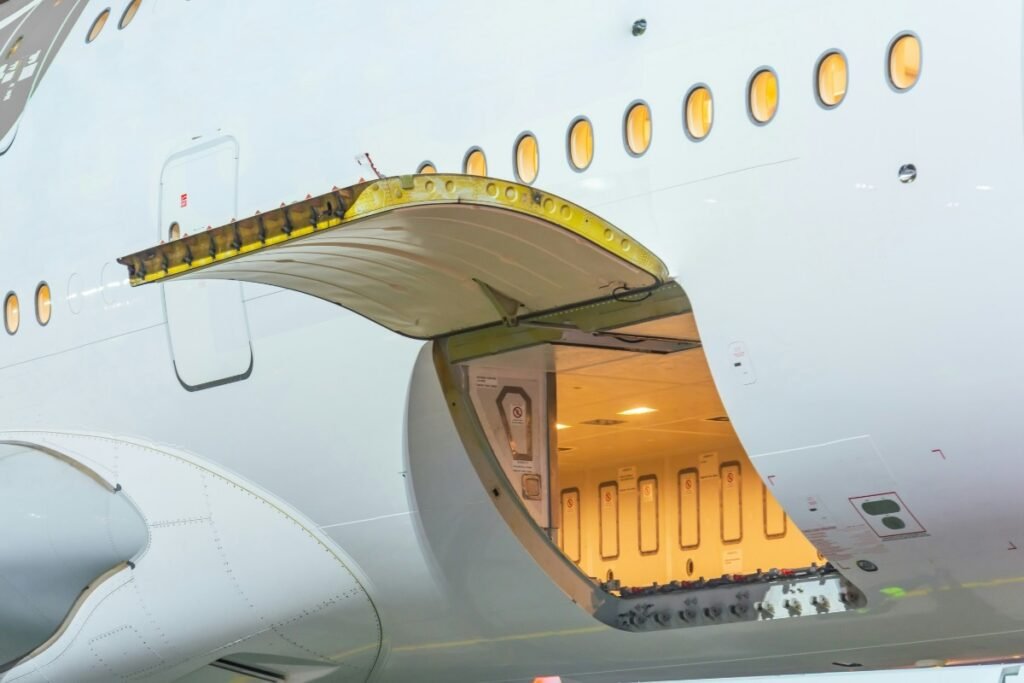
● Separate hold, climate-controlled.
● Larger crates accepted.
● Unaccompanied possible (pet flies alone).
● Best for big breeds or tight schedules.
Quick comparison
In-cabin: calmest, smallest pets only. Baggage: good balance for medium dogs/cats. Cargo: most flexible but with more separation. Direct flights from HK cut layovers and turbulence exposure.
Prep essentials
Get a vet health cert (within 10–14 days for most destinations). AFCD endorsement is international. Acclimate the pet to the crate weeks ahead. Use calming aids if vet-okayed.
Common regrets
Underestimating crate size or not booking pet space early leads to last-minute cargo or cancellation. Plan 2–3 months out for international.
Many families manage 寵物托運 smoothly this way. Your pet arrives happy, and you avoid the guilt of leaving them behind.