
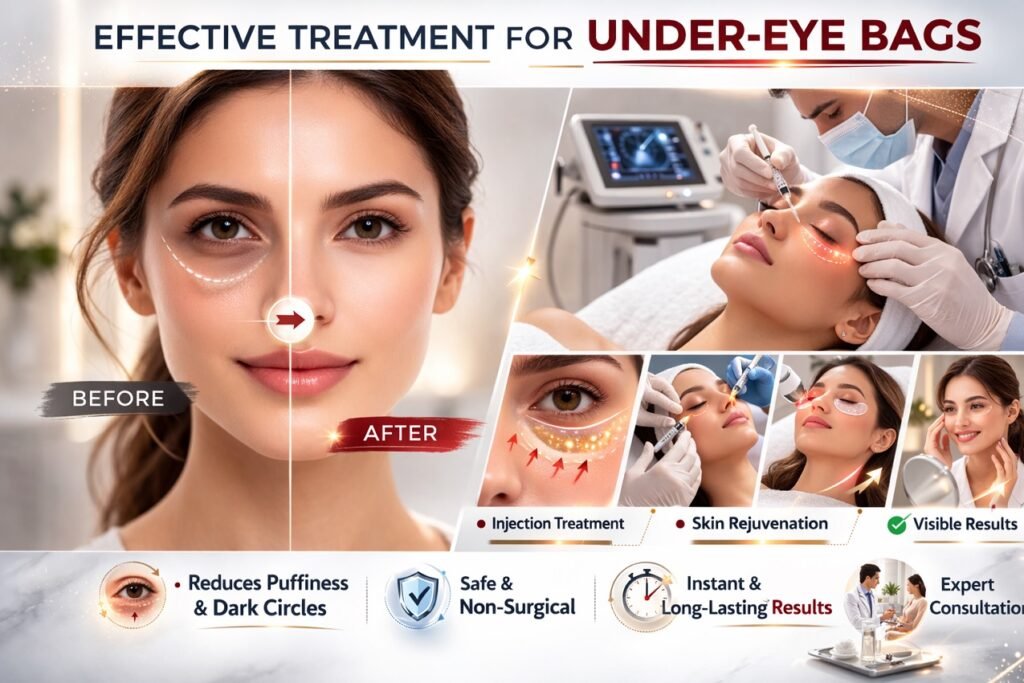
Under-eye bags are a common aesthetic concern that can make individuals appear tired, aged, or stressed even when they are well-rested. With advancements in dermatology and cosmetic medicine, a wide range of clinical solutions now exist to effectively target puffiness, fat deposits, and loose skin beneath the eyes. Modern eye bag removal procedures focus on precise, medically supervised techniques that deliver long-lasting and noticeable improvements.
Understanding the Causes of Eye Bags
Before choosing a clinical treatment, it is important to understand what causes under-eye bags. Eye bags typically develop due to aging, fat redistribution, fluid retention, skin laxity, and weakening of the muscles around the eyes. As collagen production declines with age, the skin becomes thinner and loses elasticity, allowing fat pads to protrude and create a puffy appearance.
Other contributing factors include genetics, allergies, lifestyle habits, and prolonged screen exposure. However, when eye bags become persistent and pronounced, clinical treatments offer the most reliable and targeted solution compared to temporary cosmetic fixes.
Clinical Assessment for Eye Bag Removal
A professional consultation with a dermatologist or cosmetic surgeon is the first step in any effective treatment plan. During the assessment, the specialist evaluates skin thickness, fat volume, pigmentation, and elasticity around the under-eye area. This helps determine whether the primary issue is fluid retention, fat herniation, or skin laxity.
Clinical diagnosis also ensures that the treatment approach is customized. For example, some patients benefit more from laser tightening, while others may require surgical correction or injectable treatments. A tailored plan significantly enhances safety, effectiveness, and long-term outcomes.
Lower Blepharoplasty: Surgical Eye Bag Removal
Lower blepharoplasty is considered the gold standard clinical treatment for severe under-eye bags. This surgical procedure removes or repositions excess fat and tightens loose skin under the eyes. It is especially effective for individuals with hereditary eye bags or significant fat protrusion.
The procedure is performed under local or general anesthesia and typically takes one to two hours. Surgeons make small incisions either inside the lower eyelid or just below the lash line to minimize visible scarring. Recovery usually takes one to two weeks, with swelling gradually subsiding to reveal smoother and firmer under-eye contours.
Lower blepharoplasty offers long-lasting results, often lasting for many years, making it one of the most permanent clinical solutions for eye bag removal.
Laser Resurfacing for Under-Eye Tightening
Laser resurfacing is a non-surgical clinical treatment that targets skin laxity and fine lines under the eyes. Fractional CO2 and erbium lasers stimulate collagen production, tighten the skin, and reduce puffiness by improving skin structure.
This treatment works by delivering controlled thermal energy into the skin layers, encouraging natural regeneration. Over time, the under-eye area becomes firmer and smoother, reducing the appearance of bags and wrinkles. Laser resurfacing is ideal for patients with mild to moderate eye bags caused by skin sagging rather than fat accumulation.
Multiple sessions may be recommended for optimal results, and downtime varies depending on the laser intensity used.
Dermal Fillers for Tear Trough Correction
Dermal fillers, particularly hyaluronic acid-based fillers, are widely used in clinical eye bag treatment. Instead of removing fat, fillers restore lost volume in the tear trough area, creating a smoother transition between the lower eyelid and cheek.
This treatment is minimally invasive and performed using fine needles or cannulas. Results are visible immediately and can last between 9 to 18 months, depending on the type of filler used. Fillers are especially beneficial for hollow under-eyes that create the illusion of puffiness.
When administered by an experienced practitioner, dermal fillers provide natural-looking results with minimal downtime and high patient satisfaction.
Radiofrequency (RF) Skin Tightening
Radiofrequency therapy is an advanced clinical method for reducing mild to moderate eye bags. This technology uses controlled heat energy to stimulate collagen and elastin production deep within the skin layers. The result is tighter, firmer skin that reduces sagging and puffiness.
RF treatments are non-invasive, painless, and require no surgical incisions. Patients typically undergo multiple sessions spaced a few weeks apart for progressive improvement. The gradual tightening effect makes RF an excellent option for individuals seeking subtle yet effective clinical enhancement.
Microneedling with PRP (Platelet-Rich Plasma)
Microneedling combined with PRP is another clinically approved treatment for under-eye rejuvenation. This procedure involves creating micro-injuries in the skin using fine needles, followed by the application of platelet-rich plasma derived from the patient’s own blood.
PRP contains growth factors that accelerate healing, boost collagen production, and improve skin thickness under the eyes. Over time, the under-eye area appears smoother, brighter, and less puffy. This treatment is particularly suitable for patients with thin skin and mild eye bags caused by aging.
Chemical Peels for Under-Eye Rejuvenation
Medical-grade chemical peels can help reduce under-eye bags by improving skin texture and pigmentation. Dermatologists use mild yet effective peeling agents designed specifically for the delicate under-eye area.
These peels promote skin renewal, reduce fine lines, and enhance firmness. While chemical peels do not remove fat deposits, they significantly improve the overall appearance of tired and sagging under-eye skin when used as part of a comprehensive clinical treatment plan.
Injectable Fat Dissolving Treatments
In some cases, doctors may recommend fat-dissolving injections for small under-eye fat pockets. These clinical injectables break down localized fat deposits, which are then naturally eliminated by the body over time.
This option is less invasive than surgery but requires multiple sessions for visible results. It is most suitable for patients with mild fat bulging rather than significant skin laxity.
Post-Treatment Care and Recovery
Proper post-treatment care plays a crucial role in maintaining the results of clinical eye bag removal procedures. Patients are usually advised to avoid excessive sun exposure, use medical-grade skincare products, and follow all aftercare instructions provided by their practitioner.
Cold compresses, prescribed ointments, and gentle skincare routines help reduce swelling and support healing. For surgical treatments like blepharoplasty, follow-up appointments ensure proper recovery and optimal aesthetic outcomes.
Choosing the Right Clinical Treatment
Selecting the best clinical treatment depends on several factors, including age, skin condition, severity of eye bags, and desired results. Surgical methods offer permanent correction, while non-surgical treatments provide gradual and less invasive improvements.
A board-certified dermatologist or cosmetic surgeon can recommend the most suitable approach after a comprehensive evaluation. Combining treatments, such as fillers with laser therapy, often produces enhanced and longer-lasting results.
Final Thoughts on Clinical Eye Bag Removal
Clinical eye bag removal treatments have evolved significantly, offering safe, effective, and scientifically advanced solutions for under-eye concerns. From surgical blepharoplasty to non-invasive laser and injectable therapies, modern cosmetic medicine provides multiple options tailored to different needs and severity levels.
Unlike temporary cosmetic concealment methods, clinical treatments address the root causes of eye bags, delivering long-term aesthetic enhancement. With proper medical guidance and a personalized treatment plan, individuals can achieve a rejuvenated, youthful, and refreshed under-eye appearance through professionally administered clinical procedures.
Dylan Hayes is a professional health and aesthetic medicine writer specializing in eye bag removal, under-eye rejuvenation, and minimally invasive cosmetic treatments. He focuses on presenting medical and aesthetic information in a clear, accessible way, helping readers understand procedure options, expected outcomes, and safe approaches to improving under-eye appearance and overall facial health.