
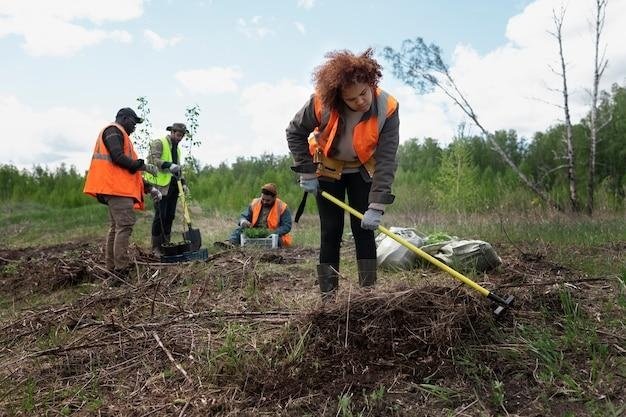
Land clearing is an essential step in preparing a site for construction, farming, or landscaping. However, traditional land clearing methods can disrupt the environment, lead to soil erosion, and harm local ecosystems. As awareness of environmental sustainability grows, many companies are adopting eco-friendly techniques for land clearing that minimize damage to the surrounding area. This blog explores innovative, environmentally conscious methods employed in land clearing and site preparation.
1. Forestry Mulching
One of the most effective eco-friendly techniques in land clearing is forestry mulching. This method involves using specialized machinery to grind down trees, brush, and vegetation into mulch.
The resulting organic matter can enrich the soil and promote new plant growth, making it a sustainable alternative to traditional clearing methods, which often result in burning or disposing of waste. Forestry mulching not only reduces waste but also maintains soil integrity, preventing erosion and promoting a healthy ecosystem during the land clearing process.
2. Selective Cutting
Selective cutting is another eco-friendly land clearing technique that focuses on removing only specific trees or vegetation. Rather than clearing an entire area, this method allows landowners to make targeted decisions about which parts of the landscape to preserve.
Selective cutting promotes biodiversity by keeping native plants and trees intact. It also minimizes habitat destruction for wildlife and protects soil quality, making it a wise choice for environmentally conscious land preparation.
3. Use of Bio-Degradable Chemicals
In many cases, land clearing may require the removal of invasive plant species or unwanted vegetation. Instead of resorting to harsh chemicals that can harm the environment, eco-friendly methods utilize biodegradable herbicides.
These chemicals break down naturally over time, reducing the negative impact on soil, water quality, and surrounding vegetation. By choosing eco-friendly solutions for weed and plant control, land clearing initiatives can support the health of the ecosystem while achieving the desired results.
4. Controlled Burning Techniques
While burning is often seen as a detrimental land clearing method, controlled burning can serve as an eco-friendly technique when conducted responsibly. By utilizing prescribed burns, land managers can safely clear underbrush and remove invasive species while stimulating the growth of native plants.
Controlled burning improves soil fertility and promotes a balanced ecosystem, turning land clearing into a managed and beneficial process rather than a destructive one. This method requires careful planning and oversight to ensure safety and environmental compliance.
5. Erosion Control Measures
Erosion is a significant concern during land clearing and site preparation, as it can lead to soil degradation and loss of nutrients. Eco-friendly land clearing incorporates a range of erosion control measures to protect the landscape.
Techniques such as silt fences, sediment traps, and planting cover crops can stabilize the soil and prevent runoff. Implementing these measures during land clearing not only preserves soil health but also protects local waterways from sedimentation and pollution.
Conclusion
In conclusion, adopting eco-friendly techniques in land clearing is vital for promoting sustainability and minimizing environmental impact. Methods such as forestry mulching, selective cutting, biodegradable chemicals, controlled burning, erosion control measures, and collaboration with specialists can transform traditional land clearing practices into environmentally responsible actions.
As landowners and contractors increasingly prioritize sustainability, eco-friendly land clearing methods will play a crucial role in preserving natural resources and fostering healthy ecosystems.