
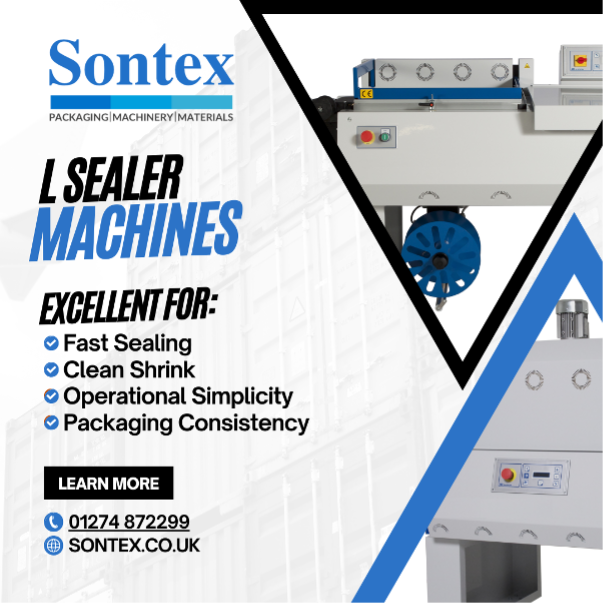
In fast-paced packaging environments, downtime is the enemy of productivity. Whether you run a busy warehouse, fulfilment centre, or manufacturing line, every minute that your bag sealer or shrink tunnel isn’t operating at peak performance is time and money lost. With savvy maintenance and a proactive care routine, you can significantly reduce breakdowns, extend machine life, and keep your packaging line running smoothly.
In this guide, we’ll walk through practical maintenance best practices for bag sealers and shrink tunnels — including routine tasks, troubleshooting tips, and why investing in quality heavy-duty sealers pays off in long-term reliability.
Why Maintenance Matters for Packaging Equipment
Packaging machinery like bag sealers and shrink tunnels may seem simple compared to automated conveyors or robotic cells, but their performance directly affects output quality and speed. Poorly maintained machines can cause:
- Irregular seals or weak seals, leading to product damage
- Film jams and tear-ups, stopping production lines
- Overheating or electrical issues, risking safety and costs
- Premature component wear, shortening machine lifespan
A systematic approach to maintenance not only prevents these issues but also improves safety, lowers surprise repairs, and contributes to consistent productivity — all critical for businesses of any size.
Choosing the Right Equipment: A Foundation for Reliability
Before we dive into maintenance tips, starting with robust equipment makes a substantial difference.
For businesses with higher throughput and tougher demands, heavy-duty bag sealers are often the most reliable choice. These machines are designed with sturdier components, stronger sealing bars, and insulation that handles extended use without overheating — ideal for high-volume packaging operations.
If you’re exploring robust sealing solutions, Sontex’s range of L Sealers are built to withstand heavy workloads while delivering consistent, strong seals every time. You can explore their range here: https://sontex.co.uk/automatic-l-sealers/
Daily Maintenance: Simple Steps That Prevent Big Problems
Daily maintenance doesn’t need to be time-consuming. A short checklist at the start or end of each shift can catch issues before they become critical:
✔ 1. Clean the Sealing Bars and Area
Sealing bars are where the action happens. Dust, debris, and melted film residues can accumulate quickly, especially in busy environments.
- Use a dry cloth or brush to wipe away residue.
- Avoid solvent-based cleaners unless manufacturer-approved.
- Clean both upper and lower sealing surfaces.
Regular cleaning helps ensure consistent, strong seals and prevents film sticking or misfeeds.
✔ 2. Check for Loose Bolts and Fixings
Vibration from daily operation can loosen screws or clamps over time.
- Quick tighten checks on handles, panels, and guards can prevent unexpected faults.
✔ 3. Inspect Electrical Connections
Always switch off and unplug before inspecting:
- Look for frayed wires or loose plugs.
- Ensure cables aren’t pinched or worn.
Not only does this improve performance, it’s vital for operator safety.
Weekly Tasks: Looking Under the Hood
Once a week, take slightly deeper maintenance steps:
🔧 1. Check Heating Elements
Heating elements in both sealers and shrink tunnels degrade over time.
- If a machine is taking longer to reach temperature or lacks consistent heat, this may indicate element wear.
- Replace ageing elements before they fail mid-shift.
🔧 2. Lubricate Moving Parts
Not all components need lubrication, but areas like hinges, rollers, and bearings benefit from light oiling using machine-appropriate lubricants.
Always follow manufacturer recommendations — over-lubricating can attract dust and film debris.
🔧 3. Inspect Conveyor Belts and Rollers
For shrink tunnels with conveyor systems:
- Look for belt fray or misalignment.
- Check rollers for smooth rotation.
Prompt attention here prevents jams and uneven shrinking.
Monthly Maintenance: Preventative Care for Longevity
Monthly maintenance helps you proactively manage wear and tear:
🛠 1. Calibrate Temperature Controls
Precise temperature control is key to quality shrinking and sealing.
- Use a thermometer to cross-check tunnel temperatures.
- Recalibrate controllers if readings drift from set points.
Consistent temperatures mean fewer rejected products and more predictable performance.
🛠 2. Test Safety Features
All packaging equipment should have emergency stops, guards, and sensors.
- Test these regularly to ensure compliance and safety.
- Address any disabled or malfunctioning safety features immediately.
Safety protects staff and avoids costly penalties or accidents.
Troubleshooting Common Issues
Even with diligent maintenance, occasional issues can arise. Here’s how to tackle some frequent problems:
❗ Poor Seals
- Cause: Dirty sealing bars, worn Teflon tape, incorrect temperature.
- Fix: Clean bars, replace tape if damaged, and verify correct temperature settings.
❗ Film Jams
- Cause: Misaligned film, worn rollers, debris buildup.
- Fix: Realign film paths, clean rollers, replace worn parts.
❗ Uneven Shrink
- Cause: Hot or cool spots in tunnel, incorrect conveyor speed.
- Fix: Rebalance airflow, adjust speed settings based on film type.
Why Heavy-Duty Sealers Make Maintenance Easier
Investing in heavy-duty bag sealers isn’t just about sheer power — it’s about durability and lower long-term costs. Benefits include:
- Stronger construction that resists wear
- Higher quality components that tolerate extended cycles
- Easier part access for cleaning and routine checks
- Better service life, meaning fewer replacements
When paired with regular maintenance, heavy-duty machines become reliable workhorses that minimise downtime and keep your line flowing.
You can see the current range of sturdy, high-performance sealers here: https://sontex.co.uk/heavy-duty-sealers/
Building a Maintenance Culture
The most effective maintenance programmes aren’t just checklists — they’re part of your workplace culture. Here’s how to embed that mindset:
📌 Train Your Team
Ensure operators know how to:
- Perform daily cleaning
- Spot signs of wear or electrical issues
- Use safety features correctly
📌 Keep a Maintenance Log
Document what was checked, cleaned, or replaced each day/week/month. Logs:
- Highlight recurring issues
- Help schedule parts replacement
- Provide data for performance improvement
📌 Review & Adapt
Regularly review your maintenance processes:
- Are certain machines failing more often?
- Are cleaners or lubricants optimal?
- Is training up to date?
This feedback loop drives continual uptime improvements.
Final Thoughts
Maintaining bag sealers and shrink tunnels is more than a chore — it’s an investment in your operation’s reliability, efficiency, and safety. Regular cleaning, proactive inspections, and sensible servicing keep equipment working hard for you, not against you.
Pair these practices with dependable machinery — like the heavy-duty sealers offered by Sontex — and you’ll see fewer stoppages, stronger seals, and a packaging line that stands the test of time.