
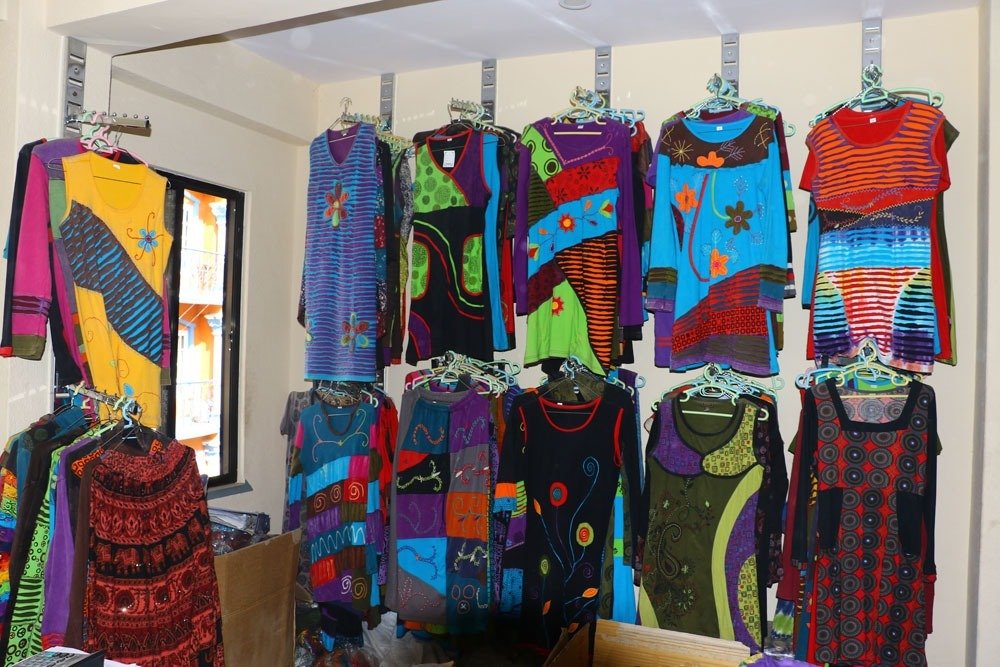
The demand for free-spirited, eco-conscious, and artistic fashion has surged globally, and at the heart of this movement lies the hippie clothing factory. More than just a production hub, these factories are cultural bridges, weaving together age-old traditions, sustainable practices, and modern bohemian trends. For retailers, wholesalers, and eco-minded consumers, understanding how these factories operate is key to appreciating the artistry behind every tie-dye dress, patchwork skirt, or embroidered kurta.
Table of Contents
What is a Hippie Clothing Factory?
A hippie clothing factory is a production facility dedicated to manufacturing clothing inspired by hippie and bohemian culture. Unlike fast-fashion facilities, these factories often emphasise:
- Handmade craftsmanship – embroidery, block printing, tie-dye, patchwork, and crochet.
- Natural and eco-friendly fabrics – organic cotton, hemp, wool, and recycled textiles.
- Fair trade values – ensuring artisans and workers receive fair wages.
- Cultural artistry – many designs draw inspiration from South Asian, African, and indigenous traditions.
These factories are commonly found in Nepal, India, Thailand, and Bali, where artisanal techniques have been passed down for generations.
The Process: From Concept to Creation
A hippie clothing factory combines traditional handwork with modern production systems. Here’s a step-by-step breakdown of how these garments are typically made:
- Design & Inspiration
Designers create collections that reflect bohemian aesthetics—floral embroidery, ethnic prints, free-flowing cuts, and vibrant colours. - Fabric Sourcing
Many factories source natural fabrics like hemp or organic cotton, aligning with the eco-conscious values of the hippie movement. - Artisanal Techniques
- Tie-dye: Hand-dyeing each piece with unique patterns.
- Patchwork: Reusing leftover fabrics to create colourful collages.
- Block printing: Wooden stamps dipped in natural dyes for repetitive patterns.
- Tie-dye: Hand-dyeing each piece with unique patterns.
- Production & Assembly
Skilled workers cut, stitch, and embellish clothing while keeping the handmade spirit alive. - Quality Control
Each piece is checked for durability, colourfastness, and authenticity before being shipped worldwide.
Why Hippie Clothing Factories Stand Out
Unlike mass-market fashion houses, hippie clothing factories focus on uniqueness and sustainability. Some defining features include:
- No two garments are identical – each tie-dye or embroidered piece is one-of-a-kind.
- Eco-friendly ethos – recycling fabrics and using natural dyes reduces waste.
- Cultural preservation – supporting communities that have been practising textile arts for centuries.
- Customization opportunities – many factories offer bespoke designs for retailers.
Global Demand for Hippie Clothing
The bohemian style has never gone out of fashion. From Coachella festivals in California to boutiques in London, hippie clothing is embraced by free-spirited individuals worldwide. Growing trends that fuel demand include:
- Sustainable fashion movement – consumers prefer ethical alternatives over fast fashion.
- Festival culture – music festivals and cultural events highlight hippie-inspired looks.
- Yoga and spiritual lifestyle – hippie clothing complements mindful and holistic living.
- Streetwear fusion – patchwork jackets and baggy trousers are now part of modern urban fashion.
Business Opportunities with Hippie Clothing Factories
For retailers and entrepreneurs, partnering with a hippie clothing factory opens up global opportunities:
- Wholesale Supply: Stocking unique, handmade garments for boutiques.
- Private Labeling: Many factories offer branding options for fashion startups.
- Export & Distribution: Factories in Nepal, India, and Thailand export globally, making it easier for businesses to access bulk orders.
- Eco-conscious Branding: Associating with ethical fashion enhances brand image.
Table: Comparing Hippie Clothing Factories by Region
| Region | Unique Features | Fabrics Used | Popular Products |
| Nepal | Hand-loomed, eco-conscious | Hemp, wool, cotton | Patchwork jackets, harem pants |
| India | Rich embroidery, block printing | Organic cotton, silk | Kurtas, skirts, boho dresses |
| Thailand | Lightweight, tropical designs | Rayon, cotton | Tie-dye tops, beachwear |
| Bali | Artistic batik prints | Rayon, bamboo fibre | Wrap skirts, kaftans |
Challenges in the Hippie Clothing Industry
While the industry thrives, it faces a few hurdles:
- Competition with fast fashion – mass-produced bohemian knock-offs threaten artisans.
- Sustainability costs – organic fabrics and fair trade practices can increase prices.
- Logistics – factories in remote areas face shipping and supply chain issues.
Despite these challenges, demand continues to rise due to conscious consumerism.
Conclusion
A hippie clothing factory is more than just a production site—it’s a cultural hub that keeps traditional artistry alive while supporting sustainable fashion. From Nepalese hemp trousers to Indian embroidered dresses, these factories celebrate individuality, freedom, and eco-conscious living. For businesses, sourcing from these factories offers both ethical and commercial advantages, making them vital in shaping the future of slow fashion.
Key Takeaways
- Hippie clothing factories prioritise handmade craftsmanship, sustainability, and cultural heritage.
- They are primarily based in Nepal, India, Thailand, and Bali, exporting globally.
- Eco-conscious fabrics like hemp, organic cotton, and recycled textiles dominate production.
- Demand is driven by festival culture, sustainability trends, and bohemian streetwear.
- Partnering with a hippie clothing factory benefits retailers with unique, ethical products.
FAQs About Hippie Clothing Factories
Q1: Where are most hippie clothing factories located?
Most are located in South Asia (Nepal, India) and Southeast Asia (Thailand, Bali), where traditional textile crafts thrive.
Q2: Do hippie clothing factories use eco-friendly fabrics?
Yes, many factories use organic cotton, hemp, bamboo, and recycled materials to reduce their environmental footprint.
Q3: Can I order custom designs from a hippie clothing factory?
Absolutely. Many factories offer private labelling and customised designs for brands and retailers.
Q4: How do hippie clothing factories differ from fast fashion?
They focus on handmade uniqueness, fair trade, and sustainability, whereas fast fashion prioritises speed and low cost.
Q5: Is hippie clothing still in demand today?
Yes. With the rise of eco-fashion and global festival culture, hippie clothing continues to be popular worldwide.